
In an era of rising temperatures, extreme weather, and growing environmental concerns, more homeowners and property professionals across Illinois are seeking sustainable solutions for buildings. One such solution gaining momentum is the green roof system, an eco-friendly roofing option that not only looks good but performs well for both the structure and environment.
If you’re involved in residential roofing replacement in Illinois, understanding green roofing can help you make informed choices for projects that balance durability, cost, aesthetics, and long-term benefits. In this blog, we will explore exactly what a green roof system is, how it functions, its types, advantages, design considerations, challenges, and whether it might be the right fit for your next roofing or restoration project.
Table of Contents
ToggleWhat Is a Green Roof System?
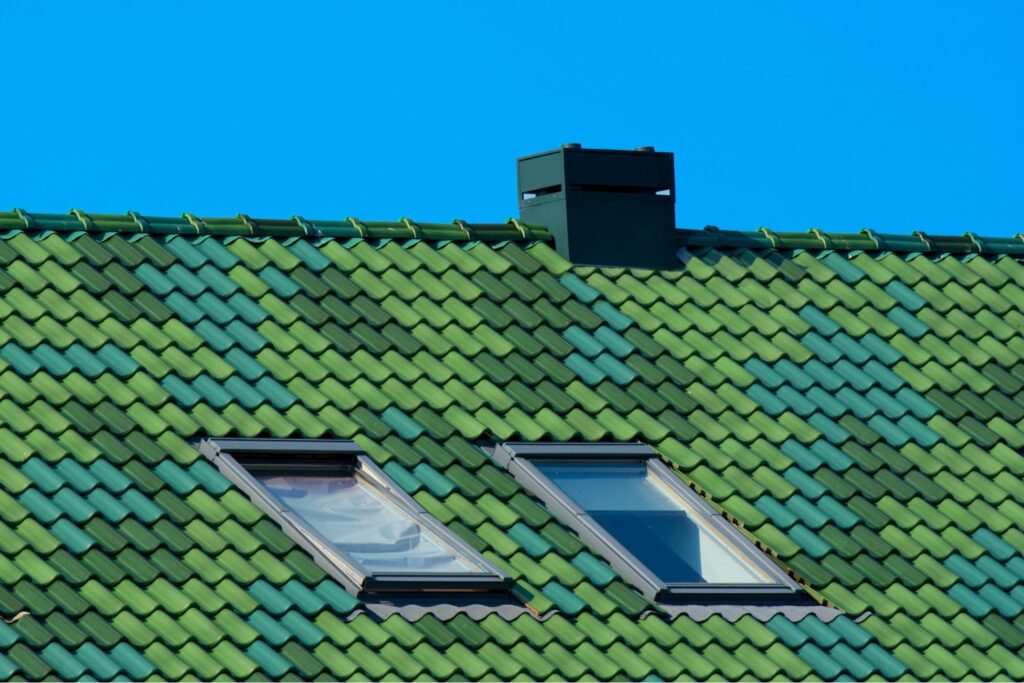
A green roof system (also called a vegetated roof, eco-roof, or living roof) refers to a roof assembly that includes layers allowing for plant growth over a building’s waterproof membrane. Rather than simply covering a roof in shingles, metal, or tiles, a green roof adds soil or a growth medium and vegetation, along with drainage, root barriers, filtration, and sometimes irrigation. There are generally two main categories of green roofs:
- Extensive green roofs: These have thinner soil (substrate) layers, lighter load, lower plant variety, and minimal maintenance.
- Intensive green roofs: Thicker growing medium, able to support a more diverse array of plants (shrubs, small trees), often more accessible (garden-like), but heavier and more maintenance-intensive.
How Does a Green Roof System Work?
Below are the functional components and the way they operate together in a green roof system:
| Layer | Purpose / Function |
|---|---|
|
Waterproofing membrane & root barrier |
Protects the structural roof deck from water infiltration and shields against root penetration. These are essential to prevent damage and leaks. |
|
Drainage layer |
Ensures excess water (from rainfall or irrigation) is drained away so it doesn’t accumulate and weigh down the roof or damage plants. Prevents ponding. |
|
Filter or separation layer/filter cloth |
Keeps fine particles out of the drainage layer so that water flow isn’t impeded. Helps maintain the longevity of the drainage system. |
|
Growing medium/engineered soil
|
Lightweight soil formula specially designed to hold moisture, allow root growth, and provide nutrients without being excessively heavy. Often mixed with organic matter, minerals, and sometimes recycled materials. |
|
Vegetation
|
The plants themselves which may be sedums, grasses, herbs, shrubs, depending on type. These help with insulation, heat reduction, stormwater absorption, aesthetic value, and biodiversity.
|
Types of Green Roof Systems
- Built-up/layered “in place” systems – These are constructed directly on the roof, layer by layer. Good for customizing to slope, structural load, and local climate.
- Modular or tray systems – Vegetation grown off-site in trays/modules that are then placed on the roof. Easier installation, less disruption; may be more expensive per unit area.
- Mat systems (sometimes called “pre-vegetated mats”) – Thin mats with a plant layer, often sedums; these are lighter weight and quicker to establish.
Benefits of a Green Roof System
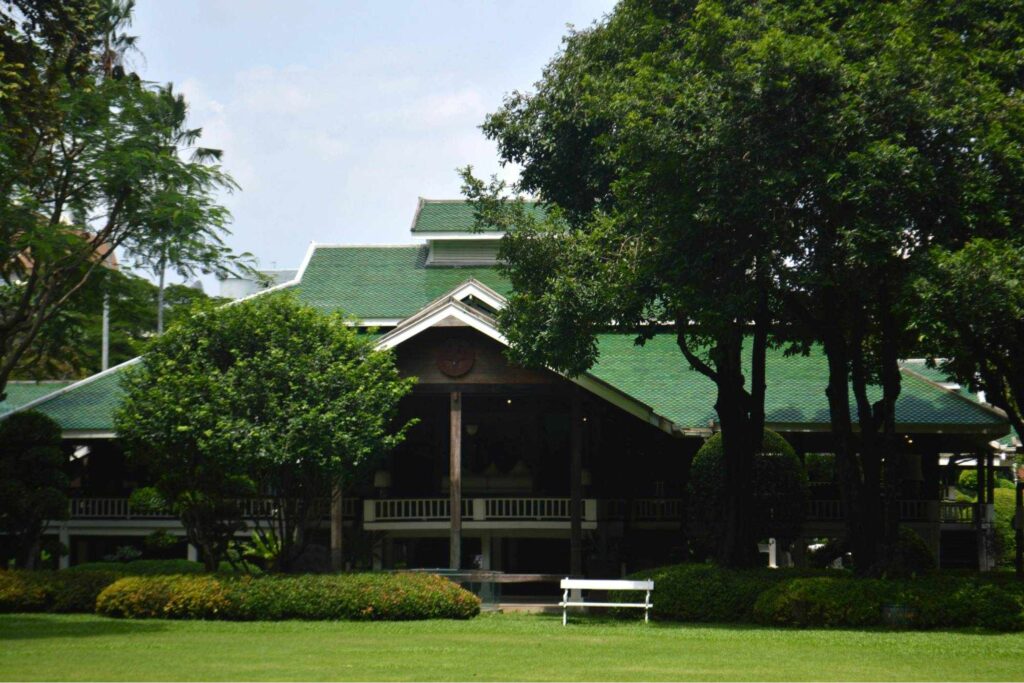
- Energy savings: Reduced heating/cooling costs through better insulation and shading. Particularly valuable in climates with large seasonal temperature swings (like many parts of Illinois, the Midwest).
- Reduced stormwater runoff & utility savings: Less load on municipal stormwater systems; potential for stormwater fee reductions or credits in some jurisdictions.
- Longer roof lifespan: As noted, protecting the roof membrane from UV, thermal stress, and physical damage. Could defer replacement costs. For contractors handling residential roofing installation in Illinois, this is a key value proposition.
- Environmental and aesthetic value: Improves air quality; provides habitat; enhances building appearance; can improve occupant comfort and well-being.
- Possible incentives: Some cities/counties/states offer financial incentives, rebates, or tax credits for green infrastructure like green roofs. Always check local codes and programs.
Practical Steps to Installing a Green Roof
- Site Evaluation & Structural Assessment — engage a structural engineer to check load capacity, roof slope, and drainage paths.
- Design Phase — choose type of green roof (extensive vs intensive), select vegetation, plan drainage, waterproofing, root barriers, and irrigation if needed.
- Material Selection — waterproof membrane, root barrier, filter cloth, substrate, plants/modules. All need to meet durability and compatibility specs.
- Permitting & Codes — ensure compliance with local building codes, fire safety, egress, etc.
- Removal / Preparation — If doing a residential roofing replacement, you may need to remove existing roofing layers, repair or reinforce the deck, ensure proper slope and drainage.
- Installation of Layers — membrane, root barrier, drainage, filters, substrate, vegetation. Follow best practices.
- Establishment Period — first few months: plant establishment, ensure proper watering, monitor for drainage issues, and repair spots.
- Long-Term Maintenance — check drainage, replace dead plants, manage weeds, fertilize if needed, and ensure root barrier integrity.
Cost and Incentives to Know About
Going eco-friendly doesn’t always mean a bigger upfront bill. Many sustainable roofing options, like cool roofs and solar shingles, can qualify for local rebates, utility incentives, or federal tax credits that offset some of the installation cost. Materials like metal or recycled shingles also tend to last longer than traditional asphalt, which lowers the real cost per year even if the sticker price is higher. It’s worth checking what’s available in your area before ruling out a sustainable option based on price alone. A quick conversation with your roofing contractor can help you figure out which options actually pay for themselves over time.
Conclusion
Green roof systems present a compelling option for property owners, contractors, and anyone involved in roofing or restoration work. They offer multiple environmental, aesthetic, and operational advantages, but they require careful planning, design, and maintenance. For those considering residential roofing replacement or installation, green roofing may initially demand a higher investment. But the long-term benefits, in energy savings, roof lifespan, and environmental impact, can make it more than worthwhile.
If you are a homeowner in Illinois considering whether to install a green roof system, please don’t hesitate to reach out to JSMM Inc., your top roof replacement and installation company in Illinois.
Frequently Asked Questions
What's the difference between a green roof and a regular eco-friendly roof?
A green roof specifically uses live vegetation over a waterproofed system, while “eco-friendly roofing” is a broader category that also includes cool roofs, metal, solar, and recycled materials with no vegetation involved.
How long does an eco-friendly roof typically last?
It varies by material — metal roofs can last 40-70 years, green roofs 30-50 years with proper maintenance, and recycled shingle roofs comparable to or longer than standard asphalt.
Can any roof be converted into a green roof?
Not always. It depends on the roof’s structural capacity to support added weight from soil and drainage layers, which is why a structural assessment is required before installation.
Are eco-friendly roofs more expensive than traditional roofing?
Upfront costs can be higher, but many options qualify for tax credits or rebates, and lower energy bills and longer lifespans often offset the cost over time.