
Choosing the right roofing materials for installation depends on climate, budget, home design, and long-term durability and homeowners who understand these factors make smarter, more cost-effective roofing decisions. Your roof is one of the biggest investments you’ll make in your property, so selecting the right material is essential for performance, energy savings, and long-lasting protection.
In this guide, we skim through the main factors, compare the types of roofing materials, and help you in choosing the right roofing material for installation for your home, especially if you live in the Midwest or Illinois region.
Table of Contents
ToggleWhat Factors Affect the Choice of Roofing Materials?
A few core factors guide the decision-making process for homeowners. Here’s what matters most:
Climate & Weather Conditions
Your local climate directly impacts roofing performance.
- Cold-weather states like Illinois need materials that resist freeze–thaw cycles.
- Asphalt shingles and metal roofing perform well in snow and hail.
- Homes facing strong winds require wind-rated shingles or panels.
- High humidity calls for mold- and algae-resistant materials.
Roof Structure, Slope & Home Architecture
Your home’s build influences which materials work best.
- Steep roofs handle heavy materials like slate or tiles safely.
- Low-slope roofs require specialized membranes or metal options.
- Older homes may need lighter materials to prevent structural strain.
- Architectural style should complement material texture and color.
Budget, Cost, and Long-Term Investment Value
Price matters, but longevity matters more.
- Asphalt shingles are affordable upfront and cost-effective long-term.
- Metal roofing costs more initially but lasts 2–3x longer.
- Slate and tile deliver a premium lifespan and aesthetics at a higher price point.
- Consider installation, maintenance, and repair expenses.
Durability, Lifespan & Maintenance
The best material is one that lasts with minimal upkeep.
- Asphalt shingles: 20–30 years
- Metal roofing: 40–70 years
- Slate & tile: 75–100+ years
- Synthetic roofing: 40–50 years
- Look for materials rated for hail, fire, and wind.
Energy Efficiency & Comfort Control
Roofing can reduce your energy bills if chosen wisely.
- Metal roofing reflects heat, improving summer comfort.
- Architectural shingles offer improved insulation layers.
- Proper ventilation enhances energy performance regardless of material.
Aesthetic Appeal & Neighborhood Style
Your roof affects curb appeal and overall home value.
- Traditional neighborhoods may favor asphalt or cedar styles.
- Modern homes pair well with standing-seam metal panels.
- HOAs often have color and material requirements.
Installation Complexity & Contractor Guidance
Some materials demand specialized installation expertise.
- Slate, tile, and standing-seam metal require certified installers.
- Improper installation shortens the lifespan of even premium materials.
- Consulting a residential roof installation contractor in Illinois ensures safe, accurate installation.
Understanding the Types of Roofing Materials
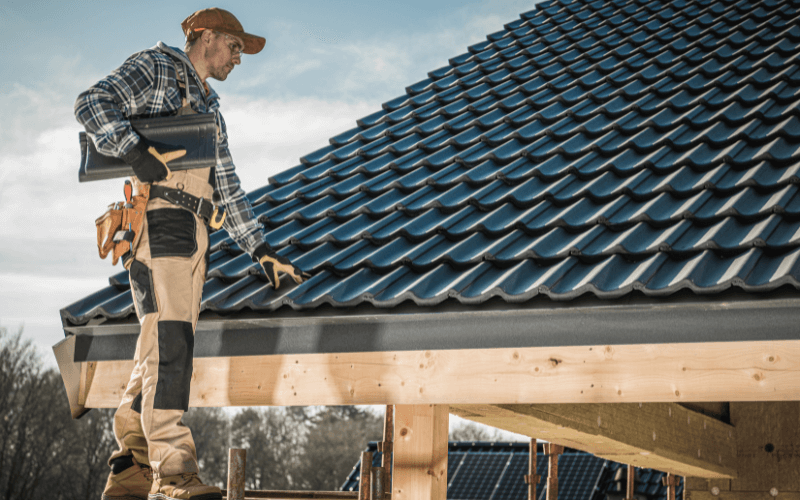
Before choosing, it helps to compare the most common options.
Asphalt Shingles
The most popular U.S. roofing material is for a reason.
- Affordable and widely available
- Easy to install and repair
- Good performance in Midwest weather
- Many color and style options
Metal Roofing
Durable, long-lasting, and modern.
- Excellent in extreme weather conditions
- Long lifespan with low maintenance
- Energy-efficient and eco-friendly
- Higher upfront cost but long-term savings
Wood Shakes & Shingles
Classic, natural appearance.
- Great for rustic or traditional homes
- Requires treatment for fire and insects
- Higher maintenance
Clay & Concrete Tiles
Elegant, durable, and premium-looking.
- Exceptional longevity
- Heavy, requires structural reinforcement
- Ideal for Mediterranean or Spanish-style homes
Slate Roofing
High-end luxury material.
- Extremely long-lasting
- Fire- and weather-resistant
- Requires skilled installation
- Premium cost
Synthetic / Composite Roofing
Modern engineering meets classic style.
- Mimics slate or wood at a lower cost
- Lightweight and durable
- Good impact resistance
How to Choose the Best Roofing Material for Your Home
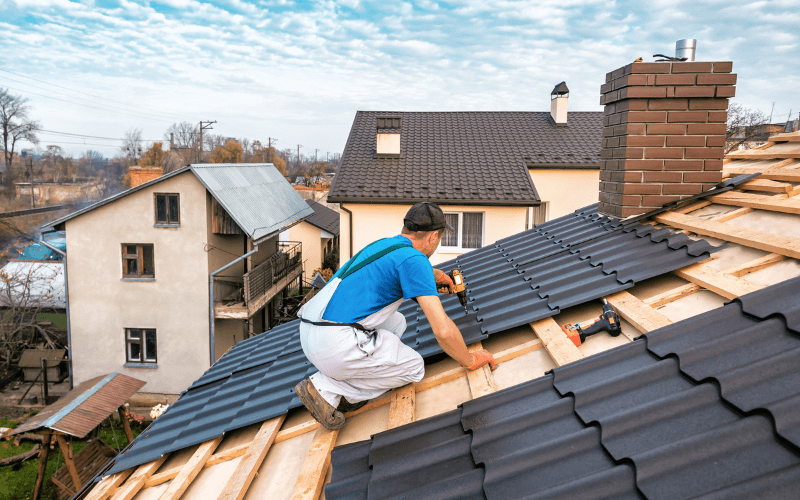
Here’s a simplified decision framework for homeowners:
- Identify your climate needs (snow, wind, hail, heat).
- Set your long-term vs. short-term budget.
- Review your home's structural capacity.
- Choose a style that complements your property.
- Compare material lifespans and warranties.
- Consult a contractor for installation requirements.
If you’re planning a replacement, talking to a residential roof installation company in Highland Park helps align your budget with the right material.
Local Considerations for Illinois & Midwest Homeowners
Illinois weather patterns create unique roofing challenges.
- Freeze–thaw cycles require flexible yet durable materials.
- Strong winds demand wind-rated shingles or metal.
- Sudden hailstorms highlight the value of impact resistance.
- Energy efficiency matters due to hot summers and cold winters.
Homeowners in areas like Glenview especially benefit from impact-resistant materials, a great reason to discuss options with a residential roof installation in Glenview specialist.
When to Consult a Professional Roofing Contractor
Bringing in an expert helps you avoid costly mistakes.
- Contractors assess your home's structure.
- They help compare the best roofing material for your budget.
- They ensure proper installation for long-term performance.
- They offer maintenance recommendations based on material type.
Frequently Asked Questions
What is the best roofing material for Illinois homes?
Asphalt shingles and metal roofing perform best due to cold winters, wind, and hail.
Does roof color affect energy efficiency?
Yes, lighter colors reflect heat, reducing cooling costs.
How long should a new roof last?
Depending on the material, 20 years for asphalt, up to 70+ years for metal, and over 100 years for slate.
What is the most affordable roofing material?
Asphalt shingles are the most budget-friendly option for installation and maintenance.
Final Thoughts
Choosing the right roofing materials for installation means understanding your climate, home structure, budget, and long-term goals. When you compare durability, style, and installation requirements, it becomes easier to select the right material confidently and protect your home for decades to come.
Contact JSMM Inc. Today For A Consultation!
If you’re worried about roof installation mistakes or want a professional team to handle your next project, JSMM Inc. is ready to step in. Contact us today for an inspection, quote, or expert guidance before your next roofing decision.