

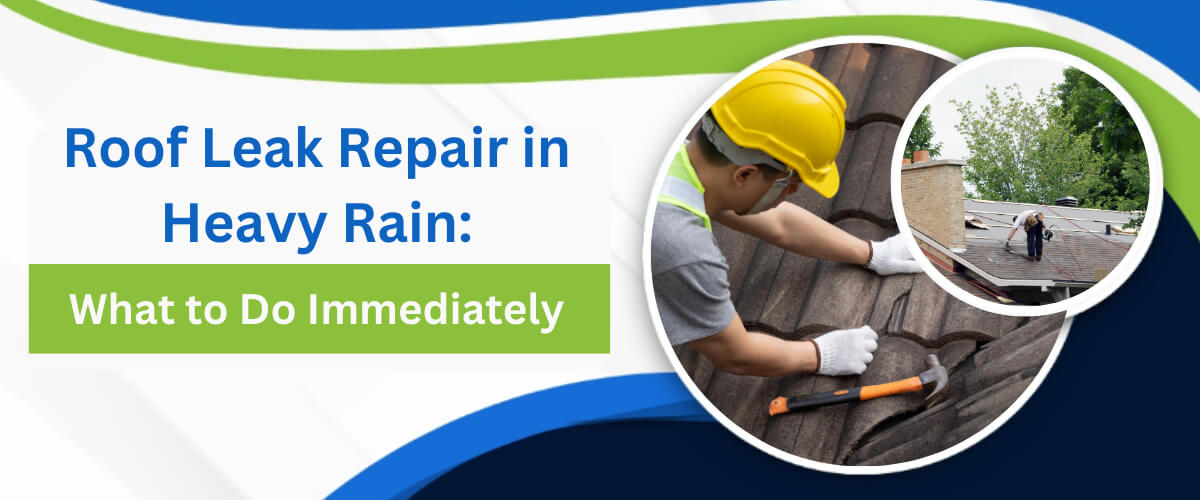
When your roof leaks in heavy rain, your immediate goal is to stop further water intrusion and protect your home’s interior. The fastest steps are to contain the water inside and apply temporary protection outside before professional help arrives.
Experiencing roof leaks in heavy rain can be stressful and overwhelming, especially when water is dripping into your home during a storm. But taking the right actions immediately can significantly reduce interior water damage, protect valuables, and prevent more extensive structural issues. This guide walks you through practical, step-by-step actions you can take right now when facing a roof leak during heavy rain, as well as why these steps matter.
Table of Contents
ToggleImmediate Safety First – Protect Your Family and Home
Before anything else, ensure everyone’s safety and minimize risk when dealing with leaks in heavy rain.
Heavy rain situations can pose hazards inside your home, from water near electrical outlets to slippery surfaces. Prioritizing safety protects both your family and prevents accidents during the initial response.
Stay Safe and Avoid Electrical Risks
Before touching anything near a leak, make sure electrical circuits in affected areas are turned off if water is close to outlets or fixtures. Water and electricity are a dangerous combination; de-energizing the space reduces shock risk.
Keep People and Pets Clear of Wet Areas
Move everyone (especially children and pets) away from areas with active dripping or water-damaged ceilings. Slippery floors and falling debris are serious risks during heavy rain leaks.
Contain the Water Inside Immediately
Stopping water from spreading inside your home is essential to reducing damage to ceilings, floors, and possessions.
Place Buckets or Containers Under Drips
Set out large containers, buckets, or pots under the leak to catch dripping water. This is one of the most effective immediate steps to prevent water from pooling on floors or staining walls.
Protect Furniture and Valuables
Move furniture, electronics, rugs, and personal items out of harm’s way. If moving is not possible, cover items with plastic sheeting or tarps to guard against water exposure.
Release Bulging Ceiling Water Pockets (If Safe)
If water has collected and bulged significantly in your ceiling, gently puncture the lowest point with a screwdriver or nail to let water drain into a container. This reduces the risk of ceiling collapse.
Temporary Roof Protection During Heavy Rain

While these are not permanent fixes, temporary measures help reduce ongoing damage while you wait for the storm to pass and professionals to arrive.
Use a Tarp to Cover Roof Damage
If you can safely access the outside (only when rain subsides and conditions improve), cover the affected roof area with a durable, waterproof tarp. Secure the tarp with nails or weights so the wind doesn’t blow it away.
Apply Roofing Tape or Sealant (Inside or Safe Areas Only)
Roofing tape or caulk can work as a short-term patch if applied correctly over the leak point. However, these solutions are temporary and should not replace professional repairs.
Avoid Unsafe Roof Work in Heavy Rain
Under no circumstances should you climb onto a slippery, wet roof during a storm. Your safety is more important than stopping every drop; leave risky exterior work to trained professionals.
Document the Leak for Insurance and Future Repairs
Taking photos and notes now can support insurance claims and professional assessments later.
Photograph the Leak and Damage
Use your phone to take clear photos of dripping water, stains, and temporary fixes. These images help with insurance claims and give roofing professionals insight into what they’re up against.
Record What You Did and When
Write a few notes about when you noticed the leak, what immediate actions you took, and how water is entering. This kind of documentation helps roofers diagnose the problem faster.
Why Roof Leaks Happen in Heavy Rain

Understanding common causes helps you prepare and prevent future leaks.
Even well-built roofs can leak when heavy rain overwhelms a weak point in your roof system. Factors include missing or damaged shingles, failed flashing around chimneys and vents, clogged gutters, or deteriorated seals.
Worn or Missing Shingles
Shingles protect your home by shedding water. When they’re missing or deteriorated, water can penetrate the roof structure during heavy downpours.
Flashing Issues Around Roof Penetrations
Metal flashings around skylights, chimneys, and vents guide water away from vulnerable seams; when these fail, water intrusion is common.
What to Do After the Rain Stops
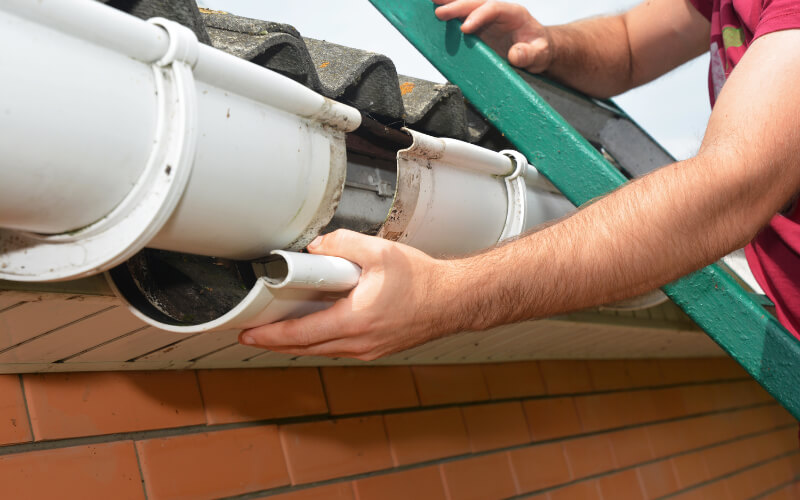
Once it’s safe, follow up with steps that prepare you for proper repairs and peace of mind.
Contact a Professional Roofing Contractor
Roof leaks in heavy rain often indicate underlying issues that need expert attention. Schedule an inspection with a reputable roofing company (like JSMM Inc.) for a thorough assessment and long-lasting repairs.
This is also the time to explore related services like:
- Roof Replacement Services in Illinois – If damage is extensive, your roof may need full replacement.
- Residential Roof Repair in Highland Park – Local, residential expertise ensures a perfect fit for your home.
- Commercial Roof Repair in Illinois – For business properties needing reliable solutions.
Evaluate Roof Repair Free Estimate and Roof Repair Costs
Ask your roofer for a roof repair free estimate and a detailed breakdown of roof repair costs so you understand the pricing before committing to work.
Frequently Asked Questions
Can I fix a leaking roof while it's still raining?
Temporary patches (like roofing tape or tarps) can help during rain, but full repairs should only be made when conditions are safe and dry.
What costs should I expect for roof leak repair?
Roof repair costs vary based on damage severity, materials, and labor. It’s best to get a roof repair free estimate from a professional.
How soon should I call a roofer after a heavy rain leak?
Schedule an inspection as soon as the weather clears, so hidden damage doesn’t worsen, and you get timely, lasting repairs.
Conclusion: Act Fast, Stay Safe, and Plan for Lasting Repair
When a roof leaks in heavy rain, quick action can dramatically reduce damage and costs. Start with safety and water containment, apply reasonable temporary measures, and document everything for insurance and professionals. Finally, partner with trusted roofing experts like JSMM Inc. to move from emergency response into permanent repair and peace of mind.
Get Reliable Roof Leak Repair — Protect Your Home Today
If your roof is leaking, don’t wait for the damage to spread. Contact JSMM Inc. for fast inspection, expert repair, and clear guidance on the best long-term fix for your home or business.