

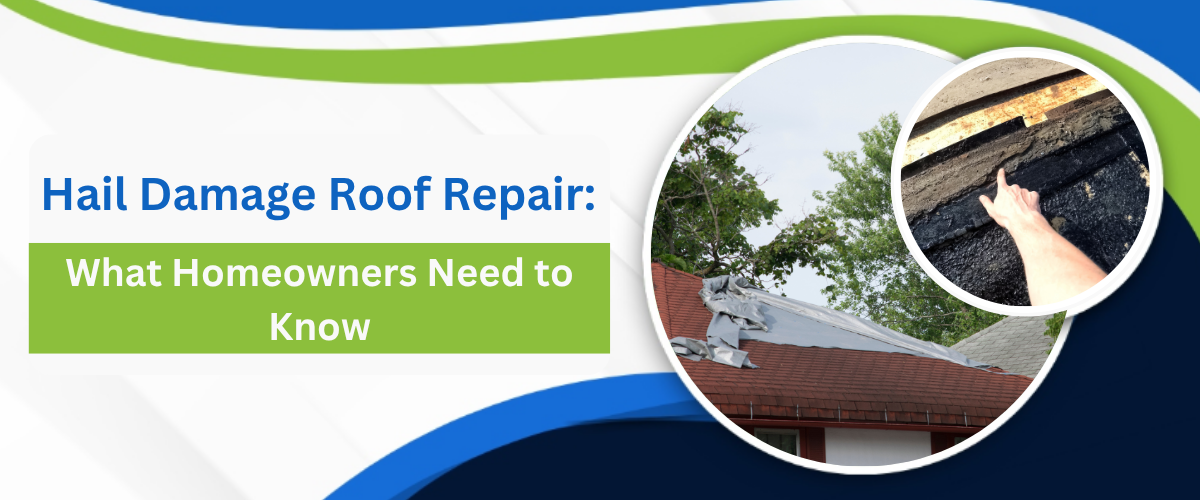
After a hailstorm, the first thing most homeowners do is walk outside and look up. If the roof looks the same as it did before, they go back inside and assume everything is fine.
That assumption is exactly how minor hail damage becomes a major problem. The most serious damage — cracked shingle mats, stripped protective granules, compromised flashing seals — is rarely visible from the ground. By the time you see a water stain on your ceiling, the damage has already been working quietly for months.
This guide walks you through everything you actually need to know: how to spot real damage, whether you need a repair or a replacement, how the insurance process works, and what to look for when choosing someone to fix it. No fluff — just the information that matters.
Table of Contents
ToggleDoes My Roof Really Have Hail Damage? (Signs to Look For)
The honest answer is: you probably can’t tell for certain without a professional inspection. But there are reliable clues you can look for yourself — and some of the most telling ones have nothing to do with the roof itself.
Check These First — Before You Even Look at the Roof
Hail leaves evidence on softer, easier-to-dent surfaces before it shows clearly on shingles. Check these after any storm:
- Gutters and downspouts — round dents along the metal face are a strong indicator that hail was large enough to damage shingles
- AC condenser unit — dimples or dings on the fins confirm hail size and impact energy
- Wooden deck railings or fence panels — hail that dents wood almost certainly damaged your roof
- Window screens — punctures or bent frames indicate a hard-hitting storm
- Granules collected in gutters or at downspout bases — dark gritty residue means shingles are shedding their protective coating
What Roof Damage Actually Looks Like Up Close
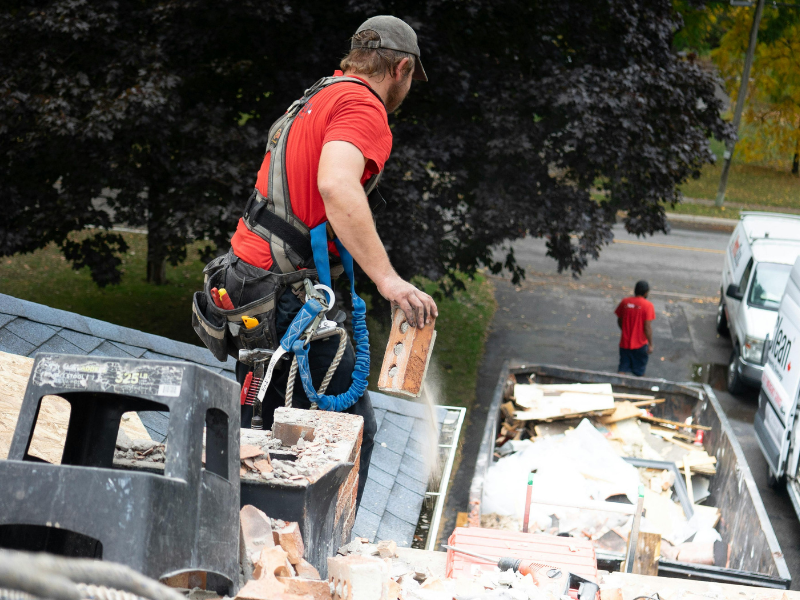
If a contractor or inspector gets on your roof, here’s what they’re looking for — and why each matters:
- Granule loss: Dark, bare patches on shingles where the granule coating has been knocked off. Granules protect asphalt from UV degradation — once they're gone, the shingle ages rapidly
- Bruising / soft spots: A dent that feels spongy when pressed. This means the fiberglass mat beneath the shingle surface has cracked — a failure you cannot see, only feel
- Cracked or split shingles: Clean cracks across the face of a shingle, different from the jagged tears caused by wind or age
- Damaged flashing: Dented or lifted metal around chimneys, vents, and skylights — common entry points for water even when shingles look intact
- Impact marks on ridge cap: The ridge is the highest, most exposed part of the roof — damage here is often the clearest indicator of a significant storm
Important: Hail damage and normal wear and tear can look very similar to an untrained eye. An experienced inspector knows the difference — and that distinction matters enormously for your insurance claim.
How Bad Is the Damage? (What Hail Size Tells You)
The size of the hailstones that hit your roof is the single biggest predictor of how much damage occurred. Here’s a practical reference:
| Table Header | Table Header | Table Header |
|---|---|---|
|
Under 1 inch
|
Pea / marble
|
Cosmetic granule loss on older roofs; newer roofs may show little effect; unlikely to meet insurance claim threshold
|
|
1 – 1.5 inches
|
Dime / penny
|
Visible granule loss, early bruising, gutter and downspout denting; most insurance claims begin at this size range
|
|
1.5 – 2 inches
|
Nickel / quarter
|
Significant shingle cracking, flashing and seal damage, compromised underlayment likely; professional inspection essential
|
|
2+ inches
|
Golf ball / larger
|
Severe fracturing, potential decking damage; full roof replacement often the appropriate and insurable outcome
|
Illinois — and the North Shore in particular — sits in one of the most active hail corridors in the Midwest. If a storm in your area produced hail of 1 inch or larger, treat it as a reason for a professional inspection, regardless of what you can see from the ground. The hidden damage is what costs you most.
Should I Repair My Roof or Replace It After a Hailstorm?
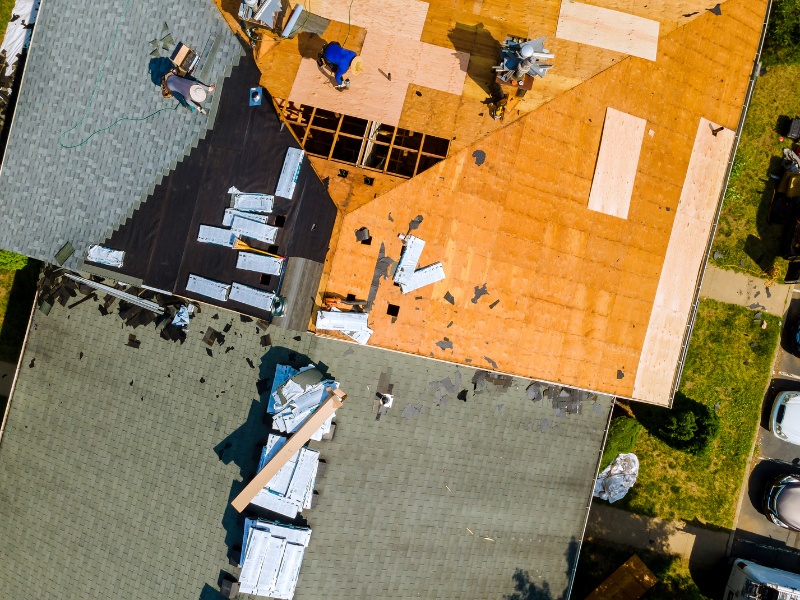
This is the question most homeowners wrestle with — and it’s where getting the wrong advice is most expensive. For a full breakdown of every factor, read our guide on roof repair vs. roof replacement. Here’s the clearest way to think about it:
Repair Is Usually the Right Call When… | Replacement Makes More Sense When… |
Damage is limited to one area or slope of the roof | Damage is widespread across multiple slopes or the majority of the surface |
The roof is under 12–15 years old and otherwise in good shape | The roof is 15–20+ years old, especially with prior repairs or significant wear |
No damage found to the underlayment or decking beneath shingles | Moisture has reached the underlayment, decking, or attic insulation |
Matching shingles are available — repair won’t look patched | The shingle style or color has been discontinued — a patch will always be visible |
Cost of repair is well under 50% of what full replacement would cost | Repair cost approaches or exceeds half the cost of a full replacement |
One thing homeowners often don’t realize: even moderate visible damage on a roof that is already 15+ years old can justify a full replacement claim — because the roof’s remaining functional life has been shortened by the storm. A knowledgeable contractor can make that case to your insurer. If you’re unsure which side of the line you’re on, also read our post on the signs your roof needs replacement before making any decisions.
What Happens During a Hail Damage Roof Repair? (Step by Step)
Whether the outcome is a targeted repair or a full replacement, the process of handling hail damage correctly follows the same sequence. Here’s what home hail damage repair in Highland Park looks like when done properly:
Get a Professional Roof Inspection First
Before you call your insurance company, get an inspection from a qualified roofing contractor. A proper inspection does more than look at the shingles — it tests for hidden bruising, examines flashing and sealants, checks attic insulation for moisture, and creates documented evidence tied to the storm date. This documentation is the foundation everything else is built on. Don’t skip this step.
File Your Claim — With Documentation Ready
Once damage is confirmed and documented, contact your insurer to report the storm and open a claim. Share the storm date, your contractor’s inspection report, and photos. Filing with a complete evidence package from the start reduces back-and-forth and speeds up the process.
Have Your Contractor Present When the Adjuster Visits
Your insurance company will send an adjuster to inspect the damage. This is one of the most important steps — and the one homeowners most often handle alone, to their cost. Adjusters work quickly and may miss hidden bruising, secondary flashing damage, or exterior components like gutters and siding. A contractor who knows what to look for will ensure the estimate reflects the full scope of what the storm actually did.
Review the Estimate — Don’t Accept It Blindly
The first estimate your insurer produces is often incomplete. Missing line items — vents, flashing, gutters, fascia — are common. Your contractor should review the estimate before you accept it and submit a supplement for anything overlooked. This is a normal, legitimate part of the process. JSMM Inc. specializes in insurance loss management, handling this entire review and negotiation process on behalf of homeowners.
Complete the Work With the Right Materials
Quality repairs go beyond replacing what’s visibly cracked. A proper job includes replacing compromised underlayment, resealing all flashing points, replacing damaged vents, and confirming attic ventilation is intact. A final walkthrough should confirm the roof is fully weather-tight before the contractor leaves.
How Does Insurance Work for Hail Damage?
Most homeowners assume insurance works simply: storm damages roof, insurance pays to fix it. The reality is more nuanced — and knowing the details before you file can make a significant financial difference.
ACV vs. RCV — Know Which Policy You Have
Actual Cash Value (ACV) policies pay the depreciated value of your roof based on its age and condition. If your roof is 18 years old when it’s damaged, you may receive only a fraction of what it costs to replace it. Replacement Cost Value (RCV) policies pay the full current cost of replacing the roof, regardless of age. If you have an ACV policy on an aging roof, the gap between what insurance pays and what the work costs can be substantial — and it’s worth knowing that now, not after you’ve filed.
Hail Deductibles Are Often Separate
Many Illinois homeowners don’t realize they have a separate wind and hail deductible — calculated as a percentage of the home’s insured value rather than a flat dollar amount. At 1–2% on a $500,000 home, that’s $5,000–$10,000 out of pocket before insurance covers anything. Check your policy declarations page — the number matters a lot when deciding whether filing a claim makes financial sense.
The Supplement Process Is Normal
When an insurance estimate is missing items — and it often is — your contractor submits a supplement: an additional request for the items that were overlooked or undervalued. This is not a dispute or an accusation; it’s a standard part of how the insurance claims process works. JSMM Inc.’s insurance loss management service handles this entire process, from initial documentation through final payment, so homeowners don’t have to navigate it alone.
File Promptly — Most Policies Have Deadlines
Illinois homeowners insurance policies typically require you to report storm damage within one to two years of the storm date, though some policies have shorter windows. The longer you wait, the harder it becomes to link the damage to a specific storm — and the more likely the insurer is to attribute it to general wear and tear instead. When in doubt, file early.
What Should I Look for in a Roofing Contractor After a Hailstorm?
Every major hailstorm brings out contractors who weren’t in your area the day before. Some are excellent. Some are not. Here’s how to tell the difference — quickly.
|
As a trusted roofing company in Highland Park, JSMM Inc. offers residential roof repair in Highland Park and full replacement — and will always tell you honestly which one your situation calls for. We’ve settled over $50 million in claims for homeowners across the North Shore. Our reputation is built on transparency, not on telling people what they want to hear.
Not Sure If Your Roof Has Hail Damage? Get a Free Inspection.
JSMM Inc. has served Highland Park and the North Shore for over 30 years. We’ll inspect your roof honestly, document everything properly, and walk you through the entire process — repair, replacement, and insurance — at no cost to you upfront.
Frequently Asked Questions
Do I need a contractor before I call my insurance company?
Yes — and this matters more than most homeowners realize. Getting a professional inspection before you call your insurer means you have documented evidence of the damage tied to the storm date. If you call the insurer first and the adjuster visits before your contractor does, damage can be missed, undervalued, or attributed to pre-existing wear. An inspection first gives you a much stronger starting position.
What size hail actually damages a roof?
As a general rule, hail of 1 inch or larger (about the size of a dime or quarter) is large enough to cause meaningful damage to asphalt shingles and is the typical threshold at which insurance claims are approved. Smaller hail can still cause damage on older or already-worn roofs. Hail size is confirmed through storm reports from the National Weather Service, which your contractor can pull to support your claim.
How long does hail damage roof repair take from start to finish?
The physical repair or replacement itself typically takes 1 to 3 days for a residential roof. The full process — inspection, claim filing, adjuster visit, estimate review, and scheduling — usually runs 4 to 10 weeks. If active leaking is occurring, a qualified contractor should address temporary waterproofing immediately while the insurance process unfolds.
Will a hail damage claim raise my homeowner's insurance premium?
Hail claims are categorized as weather-related events — often called ‘Acts of God’ — and generally do not raise your individual premium the way an at-fault claim would. However, insurers do review overall claims history at renewal, and multiple claims in a short window can have an impact. Speak with your agent about the specifics of your policy before assuming either way.
What if my hail damage claim gets denied?
A denial is not necessarily final. You can request a re-inspection with your contractor present, submit additional storm documentation, or file a formal dispute. If the denial involves a legitimate coverage disagreement, a public adjuster can also be engaged. JSMM Inc.’s experience with insurance loss management means we’ve navigated many of these situations — and successfully helped homeowners reverse initial denials.
Is hail damage on gutters and siding covered too?
Yes, in most cases. Wind and hail coverage in a standard homeowners insurance policy typically extends to gutters, downspouts, siding, soffit, fascia, and window screens damaged in the same storm. This is one of the main reasons having a contractor — rather than just the adjuster — document the damage is so important. Adjusters may focus primarily on the roof; a thorough contractor catalogs everything.
Contact JSMM Inc
JSMM Inc
📍 1542 Old Skokie Valley Rd, Highland Park, IL 60035
📞 (847) 410-7060
Email: admin@jsmminc.com