

A flooded basement is one of the most stressful emergencies a homeowner can face. Whether it’s caused by heavy rain, a burst pipe, or a failed sump pump, knowing exactly what to do when basement flooding strikes can mean the difference between a quick recovery and thousands of dollars in permanent structural damage. This comprehensive guide walks you through every critical step — from the moment you discover standing water to full restoration — so you can act fast, stay safe, and protect your home.
Table of Contents
ToggleIs It Safe to Enter a Flooded Basement? Safety First Steps You Must Take
Before you even think about grabbing a mop, your absolute first priority must be personal safety. Floodwater in a basement carries serious risks that aren’t always visible to the naked eye — electrical hazards, structural instability, and biological contaminants can all pose life-threatening dangers.
-
1 Shut Off Electricity Immediately
Locate your main electrical panel — usually on the main floor or garage — and cut power to your basement circuits. If the panel itself is in the basement and flooded, do NOT enter. Call your utility company or an emergency electrician first. -
Turn Off the Gas Supply
Locate your main electrical panel — usually on the main floor or garage — and cut power to your basement circuits. If the panel itself is in the basement and flooded, do NOT enter. Call your utility company or an emergency electrician firstFloodwater can shift appliances, disconnect gas lines, and create dangerous leaks. If you smell gas or are unsure, turn off the gas at the main valve and evacuate immediately. -
Assess Water Source & Stop It If Possible
Identify where water is coming from. If it's a burst pipe, shut off the main water supply. If it's groundwater seeping in after heavy rain, focus on removing water as quickly as possible. -
Wear Protective Gear Before Entering
Floodwater is frequently contaminated with sewage, mold spores, and chemicals. Always wear rubber boots, waterproof gloves, and a face mask rated for biological hazards before wading in.
⚠ Critical Warning
Never enter a flooded basement if water is near electrical outlets, appliances, or your breaker panel. Water and electricity are a fatal combination. Always confirm power is completely off before proceeding.
How Do You Remove Water from a Flooded Basement Quickly and Effectively?
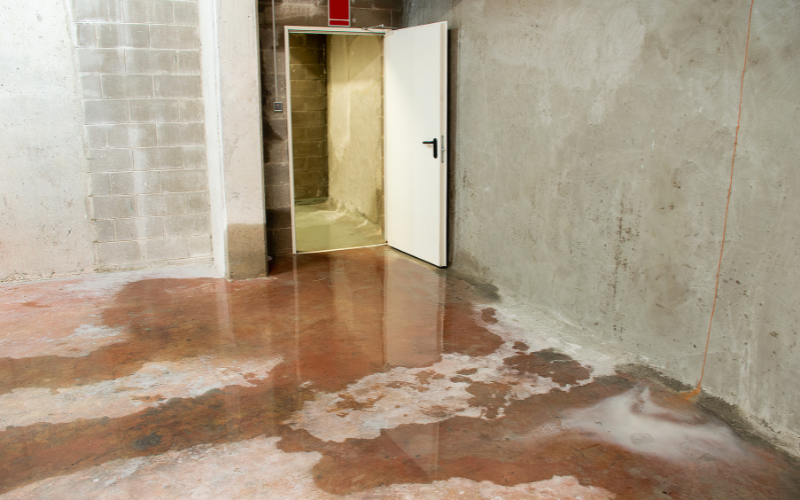
Speed is everything when it comes to basement flooding. The longer standing water remains, the deeper it penetrates into your walls, flooring, and foundation — and the greater the risk of mold growth, which can begin within just 24 to 48 hours. Here is the most effective water removal sequence every homeowner should follow:
Use a Submersible Pump for Bulk Water
For large floods (more than 2 inches of standing water), a gas-powered or electric submersible pump is the fastest tool. Pump water out at a steady rate — don’t drain too fast if hydrostatic pressure from outside is high, or walls may crack.
Follow With a Wet/Dry Vacuum
Once bulk water is removed, a high-capacity wet/dry vacuum tackles residual water in corners, carpet fibers, and along wall bases where pumps can’t reach.
Deploy Industrial Dehumidifiers & Air Movers
Even after visible water is gone, moisture trapped in concrete, drywall, and wood framing remains. Industrial-grade dehumidifiers and air movers — the kind used by a professional water remediation specialist — are essential to prevent hidden mold growth.
Open Windows and Ventilate (Weather Permitting)
If outdoor humidity is lower than indoor humidity, open basement windows and run fans to accelerate drying. Skip this step on rainy or extremely humid days, as it will make moisture problems worse.
Homeowners in Highland Park, IL who attempt water removal without professional drying equipment frequently face mold infestations 2–3 weeks later — even after the basement appears dry. Moisture meters don’t lie; consumer fans and dehumidifiers are rarely powerful enough for the job. Hiring a licensed water removal company in Highland Park ensures complete structural drying.
What Are the Early Signs of Water Damage Homeowners Most Often Miss?
Musty, earthy odors in the basement
Yellow or brown water stains on walls or ceiling
White chalky residue (efflorescence) on concrete walls
Peeling or bubbling paint on basement walls
Warped or buckled hardwood flooring above the basement
Rust stains near floor drains or sump pump basin
Visible cracks in foundation walls widening over time
Condensation collecting on pipes or windows regularly
Soft or spongy drywall at the base of basement walls
If you’ve noticed any of these warning signs in your Highland Park home, do not wait for a flood event to act. Proactive assessment by a water remediation specialist can identify hidden moisture intrusion before it escalates into mold growth, wood rot, or foundation compromise.
When Should You Call Emergency Restoration Services vs. Handling It Yourself?
One of the most important decisions you’ll face during a basement flood is whether to manage cleanup yourself or call in emergency restoration services. While minor seepage from a condensation issue may be manageable with consumer-grade tools, most basement flooding events require professional intervention.
Call emergency restoration services immediately if:
More Than 1 Inch of Standing Water Is Present
This volume of water saturates subfloor materials, insulation, and framing — structures consumer equipment simply cannot dry adequately.
The Source Is Sewage Backup or Contaminated Water
Category 3 ‘black water’ flooding from sewage or storm overflow contains dangerous pathogens. Professional biohazard remediation is not optional — it is essential for your family’s health.
Mold Is Visible or the Odor Is Present
Mold spreads through invisible airborne spores. Disturbing it without proper containment and air filtration can spread contamination throughout your entire home’s HVAC system.
Your Home Is More Than 20 Years Old
Older homes in Highland Park, IL may have asbestos insulation, lead paint, or aging waterproofing membranes that require specialist handling during water damage restoration.
JSMM INC’s emergency restoration services team in Highland Park responds 24/7 because water damage never waits for business hours. Our IICRC-certified technicians arrive with truck-mounted extraction units, thermal imaging cameras, and professional-grade drying systems — delivering the complete, documented restoration your insurance claim requires.
Basement Flooding Emergency in Highland Park, IL?
JSMM INC provides 24/7 emergency water damage restoration, water removal, and mold remediation. Don’t wait — every minute counts.
How Does Professional Water Damage Restoration in Highland Park Work?
Understanding the full water damage restoration process helps you make informed decisions and set realistic expectations for your home’s recovery timeline. Here’s what a certified restoration company like JSMM INC delivers from start to finish:
Emergency Response & Damage Assessment
Within the first hour, technicians perform a complete inspection using moisture meters and thermal imaging cameras to map the full scope of water intrusion — including hidden moisture in walls and under flooring you can't see.
Water Extraction
Industrial truck-mounted extractors remove water 10–20 times faster than consumer wet/dry vacuums. Thorough extraction is the foundation of effective drying.
Structural Drying & Dehumidification
A strategic drying system using high-velocity air movers and commercial dehumidifiers creates the precise airflow and humidity conditions needed to dry concrete, drywall, and wood framing completely — typically over 3–5 days, monitored daily.
Mold Prevention & Antimicrobial Treatment
EPA-registered antimicrobial agents are applied to all affected surfaces to inhibit mold growth before it takes hold — a critical step that DIY restoration almost always skips.
Content Removal, Cleaning & Restoration
Salvageable belongings, furniture, and flooring materials are professionally cleaned and dried. Items beyond saving are documented for your insurance claim.
Structural Repairs & Final Reconstruction
Once the structure is verified dry and mold-free, reconstruction begins — replacing drywall, flooring, insulation, and any structural elements compromised by the flood event.
What Are the Best Basement Water Removal Services Near Highland Park, IL?
Homeowners in Highland Park, Lake Forest, Deerfield, and surrounding North Shore communities face unique basement flooding challenges. The region’s clay-heavy soil, aging sewer infrastructure, and intense spring rain events create conditions that make basement water removal services a recurring necessity rather than a rare exception.
When evaluating water removal companies in Highland Park, look for these non-negotiable qualifications:
- IICRC Certification in Water Damage Restoration
- Insurance claim documentation support
- Thermal imaging and moisture monitoring equipment
- Mold remediation capabilities on staff
- 24/7 Emergency response availability
- Licensed, bonded, and insured technicians
- Documented drying logs and post-restoration clearance testing
- Local Highland Park service area knowledge
JSMM INC meets and exceeds every one of these standards. As a locally rooted water removal company serving Highland Park, IL, we combine professional-grade equipment with genuine community accountability — we’re your neighbors, not a national franchise call center.
💡 Insurance Tip
Most standard homeowner’s insurance policies in Illinois do NOT cover groundwater flooding or sewer backup without a specific endorsement or separate flood insurance policy. Document all damage with photos and video before any cleanup begins. JSMM INC works directly with all major insurance carriers and provides complete documentation packages to support your claim.
How Can You Prevent Your Basement from Flooding Again?
After surviving a basement flood, every homeowner’s top priority becomes making sure it never happens again. While no waterproofing solution offers a 100% guarantee against extreme weather events, the following preventive measures significantly reduce your risk:
Install or Upgrade Your Sump Pump System
A battery-backup sump pump is essential for Highland Park homeowners. When power outages accompany storms — which is precisely when you need it most — a battery backup keeps pumping water out automatically.
Improve Exterior Drainage & Grading
Ensure the ground around your foundation slopes away from the house at a minimum 6-inch drop over 10 feet. Improper grading is one of the most common causes of basement water intrusion in residential homes.
Clean Gutters and Extend Downspouts
Clogged gutters and downspouts that terminate too close to the foundation dump hundreds of gallons of water directly against your basement walls. Extend downspouts at least 6–10 feet from the foundation.
Apply Interior or Exterior Waterproofing Membranes
Professional-grade waterproofing membranes, drainage boards, and interior drain tile systems (French drains) provide lasting protection against hydrostatic pressure — the force that pushes groundwater through basement walls.
Install a Sewage Backflow Preventer
During heavy rainfall, municipal sewer systems in Highland Park can become overwhelmed, pushing sewage back up through floor drains. A backflow prevention valve stops this at the source.
Frequently Asked Questions
How long does it take to dry out a flooded basement?
With professional drying equipment, most residential basements achieve target dryness within 3 to 5 days. Without professional equipment, the process can take 2 to 4 weeks — and still leave residual moisture that causes mold. Variables include water volume, material types, and ambient temperature and humidity.
Does homeowner's insurance cover basement flooding in Illinois?
Standard HO-3 policies typically cover sudden, accidental water damage from internal sources (burst pipes, appliance failures) but exclude groundwater flooding and sewer backup. Flood insurance through the NFIP and sewer backup endorsements are separate policies. Always review your specific coverage before an emergency occurs.
How much does water damage restoration cost in Highland Park, IL?
Water damage restoration costs vary widely based on the category of water, affected area, and materials involved. Minor cleanup may run $1,000–$3,000, while major floods with structural damage and mold remediation can reach $10,000–$30,000 or more. Most homeowners with applicable coverage pay their deductible and let their insurance handle the rest.
Can mold grow after a basement flood even if I dried it quickly?
Yes. Mold can begin colonizing within 24 to 48 hours if any residual moisture remains in porous materials like drywall, wood framing, or carpet padding — even when surfaces appear dry. This is why professional moisture monitoring and antimicrobial treatment are non-negotiable components of any thorough water damage restoration.
- Licensed Illinois contractor — License #104.019924
- BBB A+ rated with 5.0/5 customer satisfaction
- Free on-site inspection with written estimate
- Permit filing included on every qualifying replacement
- Full insurance claim documentation and settlement management
Contact JSMM Inc
JSMM Inc
📍 1542 Old Skokie Valley Rd, Highland Park, IL 60035
📞 (847) 410-7060
Email: admin@jsmminc.com